
Key facts: Root Intrusion Removal in Garfield Park
Why roots
Tree-lined streets over old clay
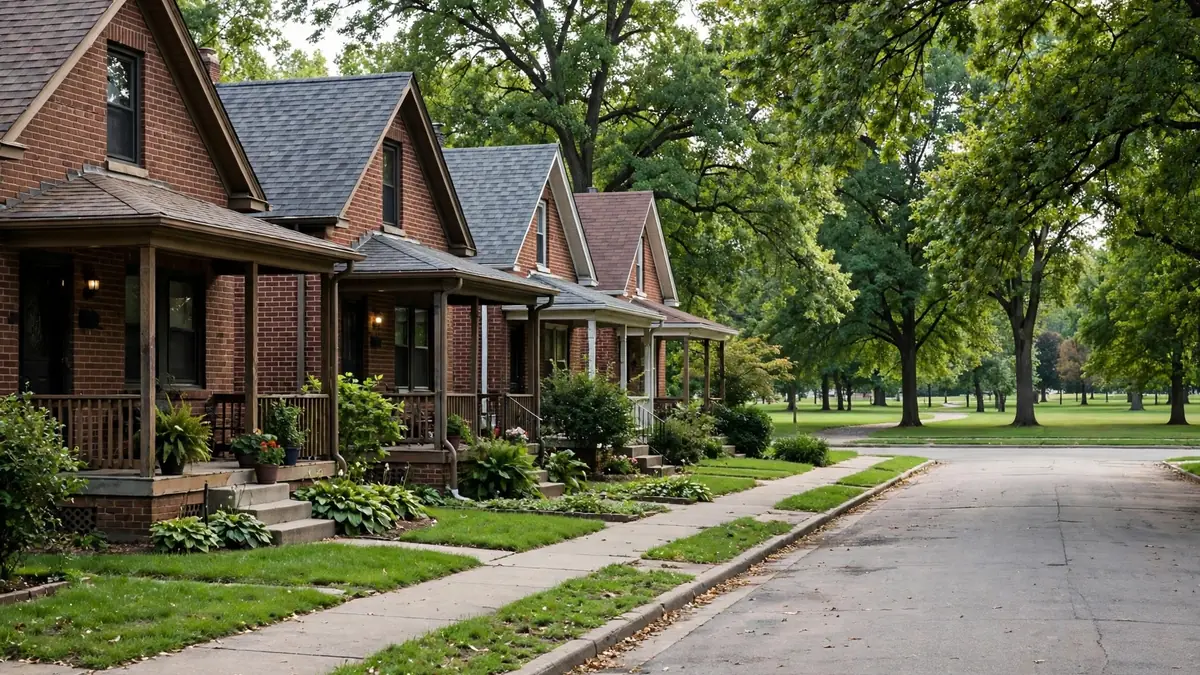
Garfield Park's residential streets fan out from the park, and many are shaded by large trees in the tree lawns. The laterals beneath, from the early twentieth century, are mostly clay with mortar joints that have cracked [3]. Roots follow the moisture in and build mats that catch paper and wipes.
Near Pleasant Run and Bean Creek, which meet inside the park, soils can be moister, keeping roots active near the surface where laterals run.
Clearing
Clearing roots
The contractor opens the basement cleanout and works a cutter or jetter with a root nozzle toward the main. A camera run afterwards shows where roots enter. With that, root intrusion removal becomes a plan rather than a recurring surprise.
Permits
Permits
Citizens does not require a permit for routine cleaning or root removal [1].
Seal it
When to seal the line
If roots return yearly or appear at most joints, seal the line with a CIPP liner; broken pipe suits pipe bursting. See the Garfield Park area page.
A typical case
A Garfield Park root story
The upstairs tenant of a double reports a slow tub in April; a week later the downstairs basement floor drain overflows after laundry. The owner's contractor clears a root mat from the shared lateral and films it, finding roots at most joints beneath a large tree in the tree lawn. The owner tells both households about the plan, schedules lining, and adds an outside cleanout so future visits do not depend on access to one unit's basement.
Seasons
How the year affects root clogs
- SpringNew roots push out as soil warms.
- Late summerDry spells send roots toward leaking joints.
- WinterA good time to film and plan.
- Before trouble seasonClearing early avoids the overflow.
Trees and neighbors
When the tree isn't yours
The tree may be a neighbor's or a street tree. The lateral is still the owner's to maintain. Avoid cutting major roots of a large tree yourself; the camera locate often shows which tree is involved.
Records
Keeping a root log
Record each clearing and what the camera showed. Lines that return faster each year are the ones to seal.
Park-edge trees
Roots from the park and the tree lawns
Garfield Park itself is full of large trees, and the streets that radiate from it are lined with more in the tree lawns. For houses close to the park, the roots in a lateral may come from a street tree, a neighbor's tree or one in the yard. The lateral is still the owner's to maintain. The camera locate usually shows which tree is involved, which helps when planning new plantings or talking with a neighbor.
Avoid cutting major roots of a large tree to protect the pipe. Severing big roots near the trunk can destabilize the tree and create a bigger hazard than the clog. Sealing the pipe is almost always the better answer.
Vacant years
Roots in a house that stood empty
A lateral in a house that stood empty can fill with roots while almost no water runs through it. If you have bought such a house, clear and film the line before moving in, and plan sealing if roots are at most joints.
Planting
Keeping new trees away from the line
Residents near the park keep planting to sustain the canopy. Use the camera's route marks to keep new trees well away from the lateral, and ask a nursery about species with less aggressive roots for spots near the line.
Finished basements
Why scheduled clearing pays off
If the basement has been finished during a rehab, a single root-related overflow can mean replacing carpet and drywall. Clearing ahead of the usual trouble season, or sealing the joints, avoids that risk.
Selling
Roots and home sales
Buyers increasingly scope the sewer. A sealed line with a final video is a selling point; roots at every joint invite negotiation.
Records
Keeping a root log
Write down each clearing date, what came out on the cable and what the camera showed. Lines that return faster each year are the ones to seal. For owners of doubles, share the log with both households so everyone understands the plan.
Seasons
Booking ahead
Contractors are busiest in spring, when root clogs peak across the older south side. Booking a planned clearing or camera run for late winter avoids the rush.
Doubles
Coordinating root work in a double
Tell both households when clearing is scheduled so neither runs water during the visit, and share what the camera found. If sealing is planned, agree on the date with both units.
Seal or clear
Making the call
If roots appear at only one or two joints and return slowly, scheduled clearing may be enough. If they return every year or appear at most joints, sealing the line is the lasting answer.
Trees
Which trees cause the most trouble
Large, water-seeking trees such as silver maples have a reputation for sewer roots, but almost any big tree near a leaking clay joint can send roots in. On the streets around the park, the camera locate is the best guide to which tree is involved.
FAQ
Root Intrusion Removal questions in Garfield Park
Why do roots keep returning in Garfield Park?
The joints stay open after clearing. Ask about it on the call for your Garfield Park home.
Do doubles have more root problems in Garfield Park?
Not more roots, but a blockage affects both units.
Is a permit needed in Garfield Park?
In Garfield Park, no. Garfield Park is no exception.
Should I cut the tree's roots in Garfield Park?
No; it can destabilize the tree. Ask about it on the call for your Garfield Park home.
Can root killer fix it in Garfield Park?
It may slow regrowth but does not seal joints. This holds for Garfield Park homes as well.
How often should roots be cleared in Garfield Park?
Often every one to two years in root-prone clay.
Will lining stop roots in Garfield Park?
For Garfield Park owners: along the lined length, yes.
Is jetting or cutting better for roots in Garfield Park?
Both work; jetting cleans the wall more thoroughly, a cutter opens a blocked line quickly. Garfield Park is no exception.
Should I remove the tree in Garfield Park?
Usually not; sealing the pipe is generally better.
How do I know roots are the cause in Garfield Park?
Roots on the cable or at joints on camera confirm it.
Do roots come back faster after cutting in Garfield Park?
In Garfield Park, not faster, but through the same open joints.
Can root killer help in Garfield Park?
It may slow regrowth if used as directed, but does not seal joints.
Can roots be cleared from outside in Garfield Park?
Yes, if there is an outside cleanout. Garfield Park is no exception.
Do I need to be home for root removal in Garfield Park?
In Garfield Park, usually, for access to the basement cleanout.
Should the whole line be lined in Garfield Park?
If roots are at most joints, yes. Ask about it on the call for your Garfield Park home.