
Key facts: Sewer Camera Inspection in Meridian-Kessler
Long runs
What a camera finds under Meridian-Kessler's deep lots
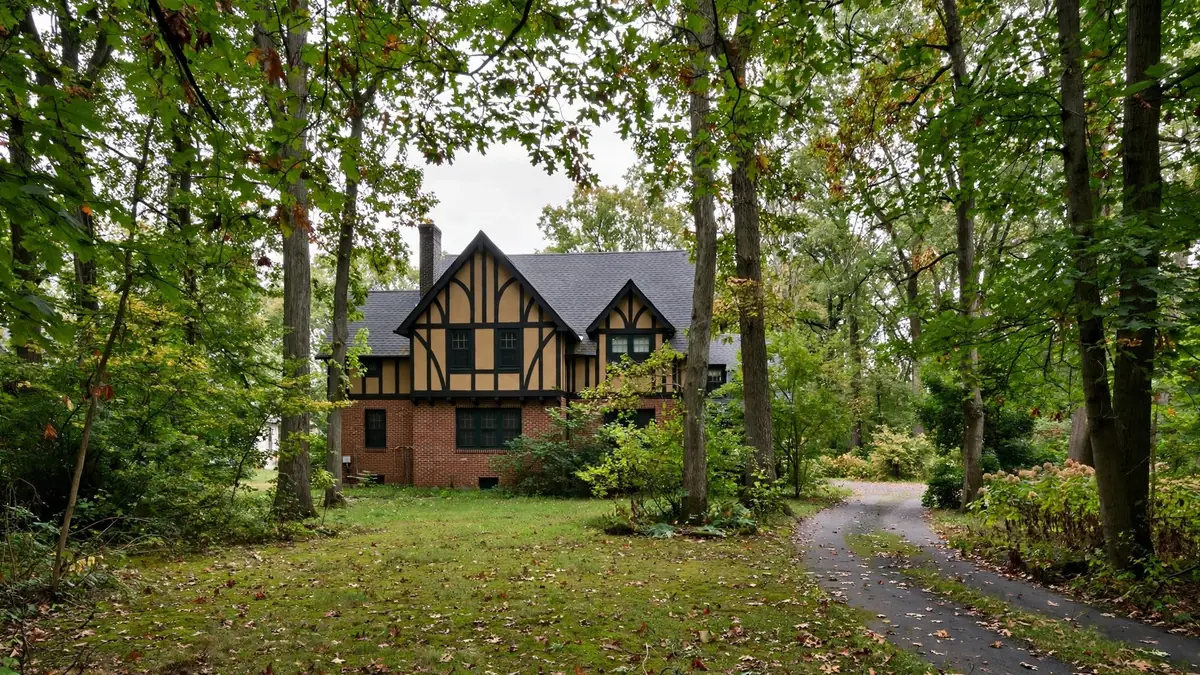
West of College Avenue, period-revival houses sit well back from the street on large lots [2], and their laterals can be much longer than a typical city run. A long clay line has more joints, and each joint is a place where roots, offsets or infiltration can show up. A camera inspection here often runs a considerable distance from the basement cleanout to the main, so the contractor needs enough cable and patience to film every seam.
East of College, bungalow lots are shorter, but the laterals are of similar age and material. The camera usually shows the familiar pattern: clay joints with fine roots, some offsets where soil has moved, and occasionally a section replaced during an earlier repair.
Finished basements
Why filming matters more when the basement is finished
Many Meridian-Kessler basements have been finished into family rooms, offices and guest suites. A backup into carpet and drywall is a renovation project, not just a cleanup. Filming the lateral every few years, and certainly before finishing a basement, shows whether roots are building toward a blockage while there is still time to act.
The camera also enters the cast iron building drain under the basement slab. Corrosion and cracks there are common in houses of this age, and they matter just as much in a finished space.
Trees
Locating roots under Meridian-Kessler's canopy
The neighborhood is known for its leafy boulevards [2], and many trees are as old as the houses. The camera's transmitter lets the contractor mark where roots enter on the lawn, often near a specific tree. That is useful twice over: it shows which joints need sealing, and it tells you where not to plant the next tree.
Buying
Scoping a Meridian-Kessler house before you buy
Buyers here often focus on the house's character and condition, and the lateral rarely comes up. A separate scope during the inspection period, filmed to the main, shows whether you are inheriting original clay under large trees. Ask for the video file and a written note of the footage and depth of each defect.
Next steps
From Meridian-Kessler footage to a plan
Light roots may only need clearing. Roots at many joints point to CIPP lining, which protects trees, walks and landscaping. Broken or deformed pipe suits pipe bursting, and sags need digging. Repairs need a Citizens Energy Group permit and inspection [1]. See the Meridian-Kessler area page for local context and the camera inspection page for the process.
A typical case
A Meridian-Kessler inspection in practice
The owner of a 1920s Tudor west of College plans to finish the basement and books a camera inspection first. The contractor opens the cast iron cleanout by the front wall and films the building drain under the slab, finding scale but no cracks, then continues out through a long clay lateral under the front lawn. Roots appear at a run of joints beneath a large oak near the sidewalk, and one joint is offset. The connection at the main under the street looks sound.
With that footage, the owner schedules lining before the basement work starts, rather than discovering the roots through a backup into a new family room. The video also goes into the house file for the next buyer.
What to ask
Questions after a Meridian-Kessler sewer scope
- How long is the lateral?Long runs affect method choice and access.
- Where are the root entry points?And which trees are nearby.
- What does the building drain look like?Cast iron under the slab matters in finished basements.
- Is the main connection sound?A damaged tap changes the plan.
- Which defects are urgent?Collapses and sags usually are.
Alleys
Street or alley: where the Meridian-Kessler main runs
On many blocks the public sewer runs under the street in front, so the lateral heads under the front lawn. On some blocks with alleys, it may run to the rear. Assuming the wrong direction can send a repair crew digging in the wrong place. The camera and locator settle it quickly, and the route marks are worth photographing and keeping.
Seasons
When to film a Meridian-Kessler line
If roots have caused trouble, late winter is a good time to film, before spring growth. Before finishing or refinishing a basement, film first. Buyers should book a scope early in the inspection period so there is time for a second opinion.
Records
Keeping the footage
Store the video with your house papers along with a photo of the route marks. If you repair the line later, keep the final video too. Together they form a history of your lateral that any future contractor or buyer can use.
Remodels
Filming before a basement remodel
Before finishing a basement, film the building drain and lateral, fix what needs fixing and decide on backflow protection while the floor can still be opened easily. It is far simpler than repairing after the new room is built.
Long runs
Cable length matters
On deep lots, mention the length of your front yard when booking, so the contractor brings enough cable to reach the main.
FAQ
Sewer Camera Inspection questions in Meridian-Kessler
How long can a Meridian-Kessler lateral be?
Houses with deep front setbacks west of College can have long laterals; bungalow lots to the east are shorter. The camera measures it.
Should I scope before finishing my Meridian-Kessler basement?
Yes. Fixing the lateral before finishes go in is much easier than after a backup.
Can the camera see under my basement floor in Meridian-Kessler?
Yes. It films the cast iron building drain under the slab as well as the lateral outside.
Does a camera inspection need a permit in Meridian-Kessler?
No. Repairs that follow do. This holds for Meridian-Kessler homes as well.
Will I get a copy of the video in Meridian-Kessler?
For Meridian-Kessler owners: ask before the visit; most systems record to a file or link.
How long does a Meridian-Kessler scope take?
Often under an hour for a clear line; long runs or roots can add time.
Can a camera tell which tree is causing roots in Meridian-Kessler?
Short answer: it shows where roots enter, and the locator marks that spot, often near a particular tree.
Do I need to be home for the inspection in Meridian-Kessler?
Usually, so the crew can reach the basement cleanout and walk you through the video.
Is the camera visit messy in Meridian-Kessler?
Usually not; opening a backed-up cleanout is the main risk, handled with tarps and a wet vac. Meridian-Kessler is no exception.
What if the camera can't reach the main in Meridian-Kessler?
The line may need clearing, or there may be a collapse; the contractor may try from another access point.